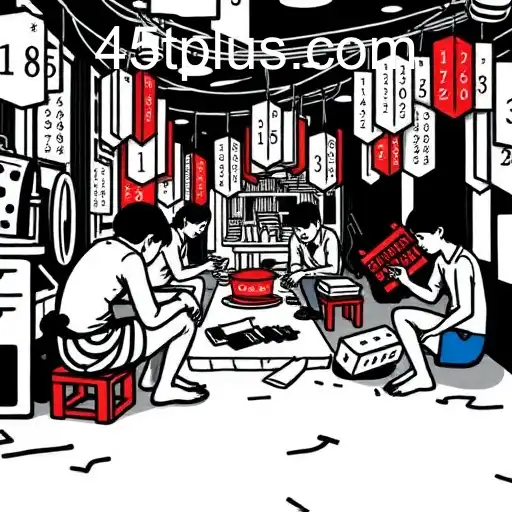

The term jueteng refers to an illegal numbers game that has long been entrenched in the cultural and socio-economic landscape of the Philippines. Despite numerous attempts by authorities to eradicate it, jueteng has proven to be resilient, largely due to its deep-rooted connections within communities and local governance structures. Jueteng traces its origins to a traditional Chinese numbers game and has evolved over the years, becoming a household name across various regions in the Philippines. Typically, the game involves selecting a combination of numbers from a prescribed set, and winners are determined through a daily draw. The simplicity and accessibility of the game have contributed significantly to its widespread popularity.80game At the heart of jueteng lies a complex network of operators, bettors, and collectors often referred to as "kabos" and "cobradores." These individuals play pivotal roles in the distribution and collection of bets, forming a tightly-knit system that ensures the game's smooth operation. The intricate organization behind jueteng often mirrors that of a legitimate business enterprise, albeit outside the legal spectrum.3ss Jueteng has carved a niche within Filipino society, not merely as a game of chance but as a phenomenon with substantial socio-economic implications. It serves as a means of livelihood for many marginalized groups, offering employment opportunities to those engaged in its operations. For communities grappling with poverty and limited access to formal employment, jueteng provides an alternative source of income. Despite its illegality, jueteng also functions as a financial support system within communities. It is not uncommon for a portion of the earnings to be redirected towards local development initiatives, such as public utilities, fiestas, and even charitable activities. This pseudo-benevolence contributes to the public's perception of jueteng as a necessary, if not entirely ethical, contributor to society’s welfare. One of the reasons why jueteng remains pervasive lies in the intricate relationship between its operators and local governance systems. Allegations of collusion and protection from political figures are common, with bribes and payments reportedly made to ensure the game’s uninterrupted operation. This relationship creates a cycle of dependency, where political figures benefit from the financial backing of jueteng proceeds, while the game continues to thrive under their tacit consent. Efforts to combat jueteng have historically faced resistance not only from those directly involved in the operations but also from within the political and administrative circles supposed to eradicate it. This highlights the challenges of addressing a socio-economic issue that is deeply embedded in both the public and private spheres. Throughout the decades, various governments have attempted to regulate and legalize jueteng by integrating it into the legal gambling framework. The Philippine Charity Sweepstakes Office (PCSO) has introduced games like the Small Town Lottery (STL) in an attempt to legitimize jueteng operations, capturing the lost revenue for state coffers that would otherwise fill the pockets of illegal operators.478bet However, these initiatives have met with mixed success. The effectiveness of such programs hinges on transparency and the integrity of collection processes, issues that continue to plague the STL. Moreover, widespread allegations of corruption within oversight bodies have hindered efforts to control and redirect the gambling proceeds effectively. To understand the enduring presence of jueteng, it is imperative to consider its cultural resonance among Filipinos. Gambling, as a cultural pastime, holds an entrenched place within the social fabric of the Philippines. Jueteng, in particular, is often viewed not solely as a vice but as an accepted norm—an integral component of everyday life.318bet The game is associated with the hopes of sudden wealth and communal gatherings, where participants bond over the shared excitement of a potential win. This cultural acceptance complicates efforts to combat jueteng since enforcement measures often clash with societal perceptions that do not view the game with the same moral censure typically associated with other illicit activities.356x The persistent allure of jueteng underscores the complexities of addressing a multifaceted issue deeply woven into daily life, cultural identity, and economic necessity. While elimination seems improbable, tailored policies focusing on socio-economic development, government transparency, and community engagement may steer the discourse toward a more regulated approach. Stakeholders must acknowledge the duality of jueteng's role as an economic crutch and its broader implications for governance and societal norms. Only through a comprehensive strategy acknowledging these layers can potential pathways be developed to reduce, if not entirely eliminate, the reliance on such a system. In conclusion, while jueteng remains a controversial component of Filipino society, it provides an insightful lens into the broader socio-economic and cultural dynamics at play. The ongoing dialogue and policy initiatives surrounding jueteng will continue to shape its future and that of the communities it permeates.Understanding the Complex Landscape of Jueteng
The Origins and Mechanics of Jueteng
Socio-Economic Implications
The Role of Local Governance
Attempts at Legalization
Cultural Significance and Public Perception
The Way Forward